If you own a historic home in Delray Beach, you are not just selling square footage. You are selling architecture, context, and a story that buyers may not find anywhere else in the local market. At the same time, historic homes come with questions about approvals, records, and how to present the property accurately. This guide will help you understand what matters most before you list, so you can market your home clearly and move forward with confidence. Let’s dive in.
Why historic status matters
Delray Beach has a formal preservation framework, and that can directly shape how your home is marketed and reviewed during a sale. According to the city, a historic sites survey identified 270 historic structures, the local historic preservation ordinance was adopted in 1987, and Delray Beach now has five historic districts on the Local Register of Historic Places. The city also identifies Old School Square and Marina as National Register districts.
That means buyers often want to know more than a home's age. They may ask whether the property is individually designated, located within a local historic district, part of a National Register district, or simply an older home with vintage character. Having a clear answer early can make your listing stronger and your sale process smoother.
Know your district story
Not all historic homes in Delray Beach should be marketed the same way. The city's historic districts reflect different periods, building styles, and neighborhood histories, so the most effective listing strategy is one that matches your home's actual context.
West Settlers history
West Settlers is recognized as the city’s first African-American settlement area. City materials point to early frame-vernacular and shotgun-house traditions, along with local stories tied to the La France Hotel and builder Isaiah Bruin. If your home is in this area, the history should be presented with care and accuracy, not as a generic description of an “old Delray” property.
Old School Square character
Old School Square reflects Delray Beach’s early civic core and its period of growth. The city notes that key buildings in the district, and the district itself, are listed on the National Register. For sellers, that civic backdrop can help explain why a property's location and architecture matter.
Del-Ida Park architecture
Del-Ida Park was one of Delray Beach’s earliest planned communities. City materials associate it with Mediterranean and Mission Revival styles, as well as Bungalows, Craftsman Cottages, and Frame Vernacular homes. If your property sits here, buyers may respond well to specific architectural details rather than broad historic language.
Marina district appeal
The Marina district developed mainly between 1922 and 1943 near the ocean and Intracoastal Waterway. The city identifies styles ranging from Mediterranean and Mission Revival to Monterrey, Florida Cottages, and Art Moderne, and it is also listed on the National Register. For a seller, that waterfront-era context can be an important part of the home's identity.
Nassau Park details
Nassau Park was the city’s first planned residential development south of Atlantic Avenue. The district includes Cape Cod Revival and Minimal Traditional homes dating from the 1930s and early 1940s. If your home is here, simple lines and period details may be more important to highlight than ornate finishes.
Understand review requirements
Before you list, it helps to understand what Delray Beach considers a historic property and what kinds of changes may have required approval. The city defines a historic property as one that is at least 50 years old and significant for its associations or architectural merit, according to its historic preservation FAQ.
The same city guidance explains that interior alterations and general maintenance are owner-controlled. However, exterior alterations or additions to designated historic properties, and to any property inside a historic district, require review through a Certificate of Appropriateness, often called a COA. Demolition within a historic district also requires COA approval, and a building permit must be issued before demolition can occur.
For buyers, this is usually less about restriction and more about clarity. They want to know what work has already been done, whether it was approved, and what future improvements may require review.
Gather the right paperwork
A well-documented file can make a major difference when selling a historic home. If buyers have questions about prior improvements, you will want clear records that show what was approved and when.
Useful documents may include:
- Prior COAs
- Permit history
- Any variance or relief approvals
- Paperwork tied to historic designation
- Records connected to available incentives
The city notes that its historic preservation applications and design documents are intended to help owners, design professionals, and officials with additions, alterations, and new construction. The same guidance can also be useful when explaining work completed on older homes that are not formally designated.
It is also worth knowing that the Historic Preservation Board can grant certain variances within the historic context of a property. That does not remove the review process, but it does show that the system is not automatically inflexible.
Highlight available incentives
Historic incentives can be part of your home's value story, especially for buyers planning future improvements. Delray Beach offers a historic property ad valorem tax exemption for owner-occupied residences and income-producing properties that contribute to a historic district or are individually listed in the Local Register of Historic Places.
According to the city, qualifying improvements can be exempted for up to 10 years. The city also states that the exemption passes to a new owner if the property is sold during the exemption period, and that the project must include visible exterior improvements. For many sellers, that is a meaningful point to communicate when there is a clean approval and exemption history.
There may also be federal incentive value in some cases. Florida’s State Historic Preservation Office explains that the Historic Rehabilitation Tax Credit equals 20% of allowable expenses for a certified rehabilitation of a certified historic structure. However, owner-occupied residential properties do not qualify, so this is more relevant in limited situations involving eligible property types and use.
Market the home's authentic features
When historic homes are marketed well, the language is specific. Buyers tend to respond to what they can see and understand, not to vague phrases like “full of old-world charm” or “one-of-a-kind character.”
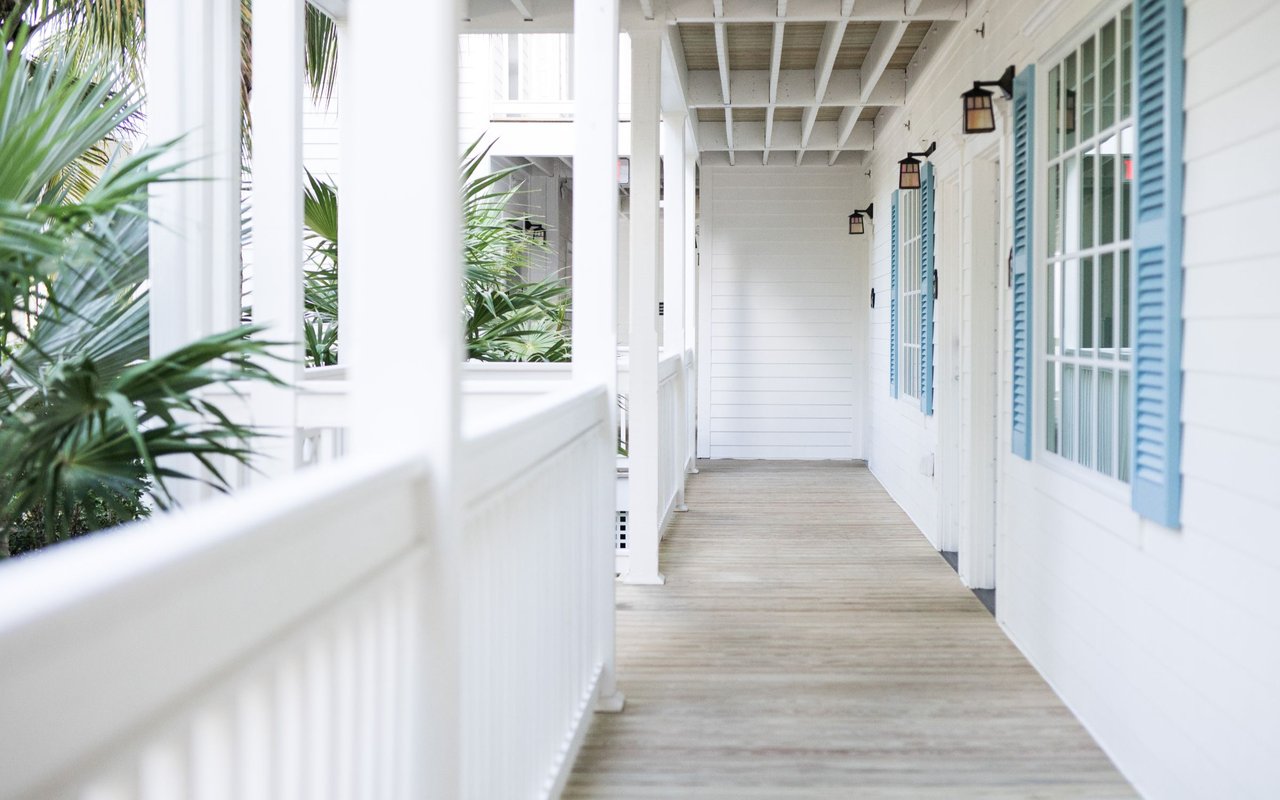
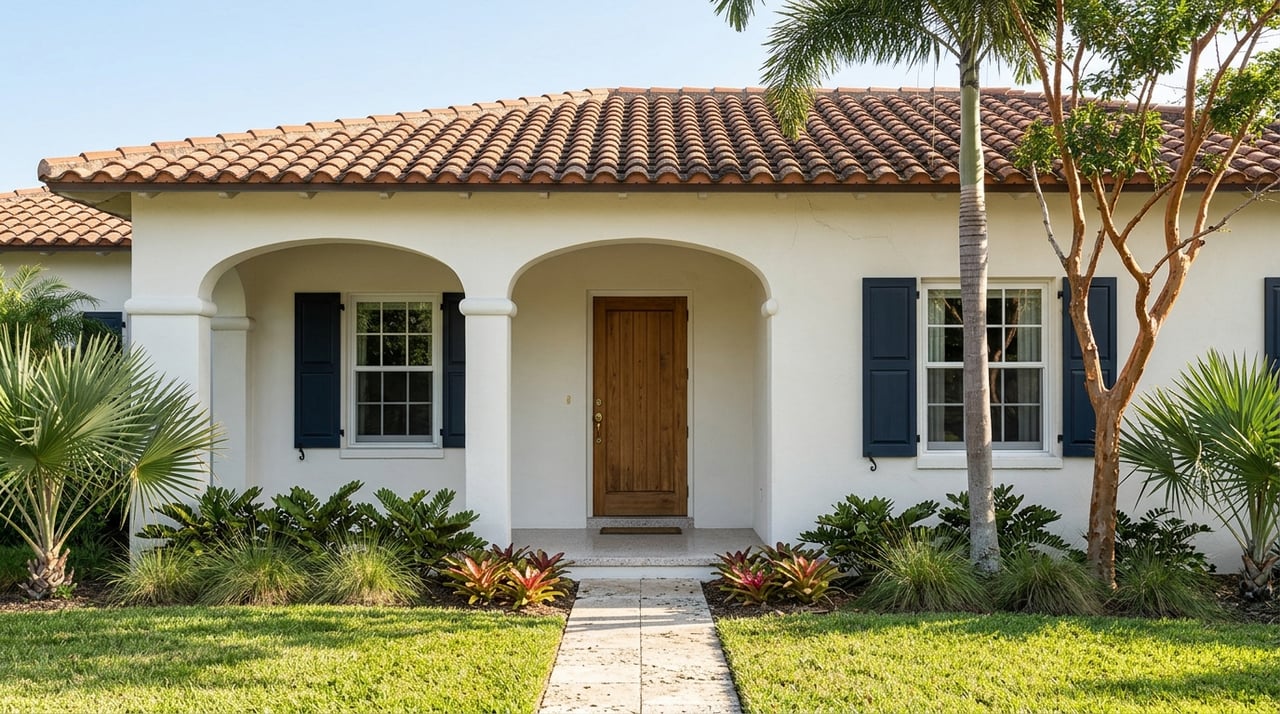
Delray Beach’s historic materials point to a range of period-defining features across its districts, including frame vernacular construction, screened or wraparound porches, hipped and gable roofs, barrel tile, arched openings, clapboard siding, and other style-specific details. These are the details worth highlighting in photography, showings, and listing copy.
A stronger approach is to describe the home's actual elements, such as:
- Roofline and form
- Window style and placement
- Porch depth or screened outdoor space
- Original floors or finishes
- Masonry, stucco, or siding details
- The property's documented architectural style
The city's district materials and walking-tour resources show that buyers respond to named styles and documented local history. In other words, a home is usually better positioned when its architecture is explained accurately rather than wrapped in generic historic language.
Verify the home's timeline
If your home has changed over time, city tools can help support the story you tell in your marketing. Delray Beach provides Local Register and National Register maps, along with historic Sanborn maps that can help verify dates, district boundaries, original building footprints, and early commercial context.
That kind of documentation can be especially helpful if a buyer asks whether an addition is newer, whether the home has evolved from its original form, or whether a certain feature appears in historic records. It can also help you avoid overstating a home's age or significance.
Delray Beach also supports visible historic interpretation through Florida Historical Markers and bronze house plaques. While not every home has that type of recognition, these programs show that the city already has a clear language around historic identity, which can support thoughtful, credible presentation.
Prepare for buyer questions
Historic-home buyers in Delray Beach often ask thoughtful, detailed questions. The more prepared you are, the easier it is to build confidence around the property.
Expect questions like these:
- Is the home in a local historic district, a National Register district, or neither?
- What exterior changes needed COA review?
- Are permits and approvals available for prior work?
- Are there tax exemptions in place that transfer to a new owner?
- Which features are original or period-appropriate?
When those answers are organized in advance, your listing feels more polished and more trustworthy. That is particularly important in a market like Delray Beach, where buyers often expect both strong presentation and clean documentation.
Position your sale with care
Selling a historic home in Delray Beach calls for more than standard listing preparation. You need a strategy that respects the home's architecture, understands local preservation rules, and presents the property in a way that today’s buyers can quickly understand.
That is where local context matters. From district-specific marketing to polished presentation and hands-on guidance, working with a brokerage that understands Delray Beach can help you tell the right story from the start. If you are considering selling, connect with Vlasek Real Estate Group for a personalized consultation and a thoughtful approach to positioning your historic property.
FAQs
What makes a home historic in Delray Beach?
- Delray Beach says a historic property is generally at least 50 years old and significant for its associations or architectural merit.
What exterior work on a Delray Beach historic home may need approval?
- The city says exterior alterations or additions to designated historic properties, and to any property within a historic district, require review through a Certificate of Appropriateness.
What documents should you gather before selling a historic home in Delray Beach?
- You should gather prior COAs, permit history, any variance or relief approvals, and paperwork tied to designation or incentives.
What historic districts should sellers know in Delray Beach?
- Delray Beach identifies five local historic districts: West Settlers, Old School Square, Del-Ida Park, Marina, and Nassau Park.
What tax incentives may apply to a Delray Beach historic property?
- The city offers a historic property ad valorem tax exemption for qualifying owner-occupied and income-producing properties, and some non-owner-occupied projects may also be relevant for the federal rehabilitation tax credit if eligibility requirements are met.
What details should you highlight when marketing a historic home in Delray Beach?
- Focus on documented architectural details such as porches, rooflines, window patterns, siding or stucco finishes, and the home’s specific style and district context.