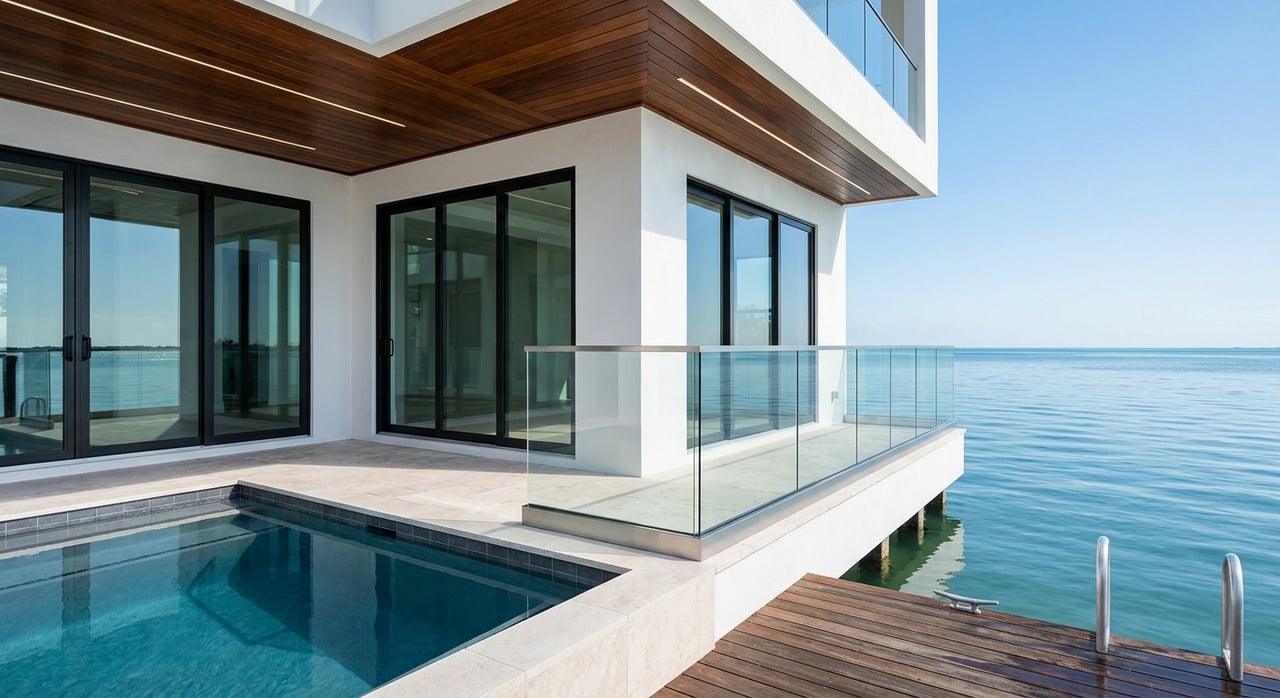
If you picture “waterfront” in Delray Beach as one simple category, you could miss what matters most. In this market, oceanfront, Intracoastal, and freshwater properties can deliver very different lifestyles, upkeep needs, and buying considerations. If you want to choose wisely, it helps to understand how each setting works before you fall in love with the view. Let’s dive in.
What waterfront means in Delray Beach
Delray Beach has more than one kind of waterfront living. The city’s coastal planning area includes the offshore reef, the barrier island, the Intracoastal Waterway, and the western shoreline along the waterway. That means buyers are not choosing from one waterfront market, but from several distinct ones.
This matters because each option serves a different goal. In simple terms, oceanfront living is usually about beach access, views, and walkability. Intracoastal living is more closely tied to boating, dockage, and direct water access.
The city reports that Delray Beach has 2.7 miles of oceanfront shoreline, and all of it is publicly accessible. It also notes that 51% of the ocean frontage lies within Delray Municipal Beach and Atlantic Dunes Park. For you as a buyer, that helps explain why ocean-side ownership here feels different from a private dock lifestyle.
Intracoastal homes for boating life
If boating is your top priority, the Intracoastal is often the strongest fit. Delray’s coastal plan identifies four marinas along the Intracoastal Waterway, and the city points to Veterans Park, Knowles Park, and Mangrove Park as public water-access locations. This side of the market is built around access and activity, not just scenery.
The City Marina at 159 Marine Way is part of that picture. According to the city, it offers 24 slips for boats from 30 to 55 feet, along with liveaboard permission, restroom and shower facilities, and a pump-out station. The city also notes there is a waiting list, which tells you demand for dockage is real.
The Intracoastal is an active boating corridor. The city says boating speeds generally run around 25 to 30 mph, with slow-speed and idle-speed zones near bridges and around the Knowles Park boat-ramp area. So if you want true function for getting on the water, this area stands out.
That said, a boating lifestyle comes with practical tradeoffs. The city notes that much of the Intracoastal shoreline is channelized and protected by seawalls of varying age and condition. Delray also reports seasonal flooding in places including the Marina Historic District, Atlantic Dunes parking lots, and select residential streets.
Best fit for Intracoastal buyers
Intracoastal properties tend to suit buyers who want:
- Private dockage or marina access
- Faster access to boating amenities
- A home centered on waterfront activity
- Views paired with functional water use
If that sounds like your priority, this side of Delray may align better than an oceanfront address.
Oceanfront condos and townhomes for beach access
If your ideal day starts with a beach walk and ends near Atlantic Avenue, oceanfront or ocean-view living may be the better fit. The city says Delray Municipal Beach sits at the east end of Atlantic Avenue and is a short walk from Downtown Delray Beach. That creates a lifestyle that blends shoreline access with nearby dining, shops, and daily convenience.
The beach itself is set up for regular use. According to the city, many entrances include showers, bicycle and towel racks, drinking fountains with bottle fillers, access mats, and beach wheelchairs. The city also states that dogs are not permitted at the municipal beach, which is helpful to know if that affects your daily routine.
Oceanfront ownership in Delray also means living within an actively managed coastal environment. The city says the beach and dune system serves as the community’s primary protection against storm surge and waves. It also describes ongoing dune management and beach nourishment work as part of a long-term coastal protection strategy.
For many buyers, condos and townhomes on the barrier island offer a lock-and-leave option with strong beach access. They can be a good fit if you want less hands-on exterior upkeep than a detached home. But you still need to look closely at the building, the association, and the long-term maintenance picture.
Condo due diligence matters more than ever
In Florida, inspection and reserve requirements are a major part of condo buying. State law requires milestone inspections for many condominium and cooperative buildings that are three stories or more once they reach 30 years of age, and then every 10 years after that. Florida also requires structural integrity reserve studies at least every 10 years for applicable residential condominiums.
These records matter during your search. The state says inspection reports and reserve studies are part of the association’s official records and must be provided to prospective purchasers. In practical terms, that means you should review more than just the unit. You also want to understand the building’s condition, reserve planning, and future capital needs.
Townhomes and smaller coastal homes
Townhomes often sit in the middle ground between a condo and a detached waterfront estate. They can offer more privacy and more of a residential feel than a typical condo, while still limiting some of the exposure and maintenance that can come with a larger single-family property. For many buyers, that balance is appealing.
Still, the label alone does not tell you enough. You need to confirm what the HOA covers and what remains your responsibility. In coastal settings, that can include roofs, exterior walls, parking, dock rights, and seawall-related obligations.
Delray Beach also advises buyers to check flood zone status and elevation information. A smaller footprint does not automatically mean lower risk. In waterfront real estate, the details behind the property often matter as much as the floor plan.
Lake Ida for freshwater waterfront living
Not every Delray waterfront buyer wants saltwater exposure or ocean access. Lake Ida gives you a different kind of water-oriented lifestyle, one centered on freshwater recreation and lakefront scenery. That makes it a helpful option to compare when you are deciding what “waterfront” really means for you.
Palm Beach County lists Lake Ida West Park in Delray Beach as a freshwater boat-ramp location. The park includes two launching ramps, canoeing and kayaking access, fishing, and 9,600 feet of lake frontage. The county also lists Lake Ida East and West for freshwater fishing access.
The key distinction is simple. Lake Ida supports a freshwater recreation lifestyle, but it is not a direct ocean-boating choice. If you are drawn to paddling, fishing, or a different pace of waterfront living, this area may deserve a closer look.
How to compare Delray waterfront lifestyles
The biggest difference for most buyers comes down to boating access versus beach access. If you want dockage, ramps, and marinas, the Intracoastal side usually makes the most sense. If you want daily beach use and walkability tied to Atlantic Avenue and the barrier island, the ocean side is often the clearer match.
It also helps to think about how you want to spend your time. Some buyers want to step onto a boat. Others want to step onto the sand. Delray offers both, but rarely in the same exact way.
Daily life on the waterfront also includes rules and environmental management. The city says beachfront living is tied to dune restoration, sea-turtle conservation, and lighting requirements on beachfront property. These details may not be the first thing you think about, but they are part of the ownership experience.
Flood risk and maintenance to understand
Waterfront living in Delray comes with real due diligence. The city says its coastal geography makes it vulnerable to tidal flooding, storm surge, and heavy rainfall. It advises buyers to check FEMA flood maps, understand base flood elevation, and consider flood insurance even outside high-risk zones.
The city also states that homeowners insurance does not cover flood damage. It notes that flood policies often have a waiting period, which is important if you are planning timing around a purchase or storm season. These are not background details. They can affect your costs, planning, and peace of mind.
Seawalls are another major topic in this market. Delray’s low-lying-areas information says a vulnerability analysis found that 85% of waterfront parcels need seawall upgrades. The city has also adopted a seawall ordinance to raise minimum elevation standards.
At the same time, Delray says it is investing in seawalls, pump stations, and drainage systems. The city also explains that elevation certificates matter because a home’s lowest floor elevation affects flood insurance and building compliance. If you are evaluating a waterfront home, this paperwork deserves serious attention.
Questions to ask before you buy
Before you move forward on any Delray Beach waterfront property, make sure you can answer a few key questions:
- Is the property on the barrier island or west of the Intracoastal?
- Does it offer private dockage, public ramp access, or no boating access at all?
- What does the HOA cover?
- Are association reserves adequate?
- Is the property in a flood zone or coastal high-hazard area?
- Has the condo had a milestone inspection and structural integrity reserve study, if applicable?
These questions can help you compare homes more clearly. They can also keep a beautiful property from becoming a frustrating surprise later.
Evacuation planning matters too
If you are considering ownership on the barrier island, emergency planning should be part of your decision. The city tells residents to sign up for CodeRED emergency notifications and to check Palm Beach County’s Know Your Evacuation Zone tool. That guidance matters because waterfront ownership is not just about lifestyle, but also about readiness.
Delray’s coastal management plan identifies evacuation routes off the barrier island via bridges over the Intracoastal Waterway. For you, that means location should be discussed together with access, timing, and storm planning. It is simply part of buying responsibly in a coastal market.
Delray Beach waterfront living can be exceptional, but the best fit depends on how you want to live. If you want dockage and boating, the Intracoastal often leads the conversation. If you want beach access and a lock-and-leave coastal lifestyle, the barrier island may feel more natural. And if freshwater recreation appeals to you, Lake Ida opens a different path. When you understand the differences clearly, you can buy with more confidence and fewer surprises.
If you want tailored guidance on Delray Beach waterfront homes, condos, or townhomes, Vlasek Real Estate Group offers discreet, hands-on insight rooted in deep local knowledge and a boutique client experience.
FAQs
What does waterfront living in Delray Beach include?
- Delray Beach waterfront living can include oceanfront properties on the barrier island, Intracoastal homes with boating access, and freshwater options such as Lake Ida.
What is the difference between oceanfront and Intracoastal homes in Delray Beach?
- Oceanfront living is generally centered on beach access, views, and walkability, while Intracoastal living is more closely tied to boating, dockage, marinas, and water access.
What should condo buyers review before buying a waterfront property in Delray Beach?
- Condo buyers should review the association’s official records, including milestone inspection reports, structural integrity reserve studies when applicable, reserve funding, and maintenance responsibilities.
What flood questions should buyers ask about Delray Beach waterfront homes?
- Buyers should check FEMA flood maps, base flood elevation, whether the property is in a flood zone or coastal high-hazard area, and whether an elevation certificate is available.
Is Lake Ida considered true waterfront living in Delray Beach?
- Yes, but it offers a freshwater lifestyle focused on lake access, fishing, kayaking, canoeing, and boat ramps rather than direct ocean boating.
Why do seawalls matter for Delray Beach waterfront properties?
- Seawalls matter because the city has identified widespread upgrade needs on waterfront parcels, and seawall condition can affect maintenance planning, compliance, and long-term ownership costs.