If you are deciding between East and West Delray Beach, the right fit often comes down to how you want your day to feel. Some buyers want to be close to Atlantic Avenue, the beach, and a more walkable street grid. Others prefer a more planned residential setting with a stronger detached-home pattern and a routine that is more car-oriented. This guide will help you compare both sides using Delray Beach’s own planning framework so you can focus on what matters most to you. Let’s dive in.
How Delray Beach Defines East and West
Delray Beach generally frames eastern neighborhoods as those east of I-95 and western neighborhoods as those west of I-95. According to the city’s planning documents, the east side includes a wider mix of uses within neighborhoods, while the west side relies more on corridors for shopping and workplaces. You can review that city framework in Delray Beach’s planning materials.
That distinction matters because it shapes not just housing, but also traffic flow, errands, and how connected you may feel to downtown or the beach. In other words, this is less about which side is better and more about which side supports your priorities.
East Delray Housing Overview
East Delray is often discussed as a downtown-to-beach environment rather than one single housing type. The Downtown Delray area includes places such as The Ave, SOFA, West Atlantic, Pineapple Grove, US1, and Beachside, which reflects a more mixed and layered setting. The Downtown Development Authority’s district map helps show how broad that east-side identity can be.
The street pattern also helps define the experience. Delray Beach’s mobility plan describes east-of-I-95 neighborhoods as a dense, gridded network of narrow two-lane streets with sidewalks on both sides, which supports walking and biking more than west-side street patterns do. You can see that in the city’s mobility plan.
Older homes and historic districts
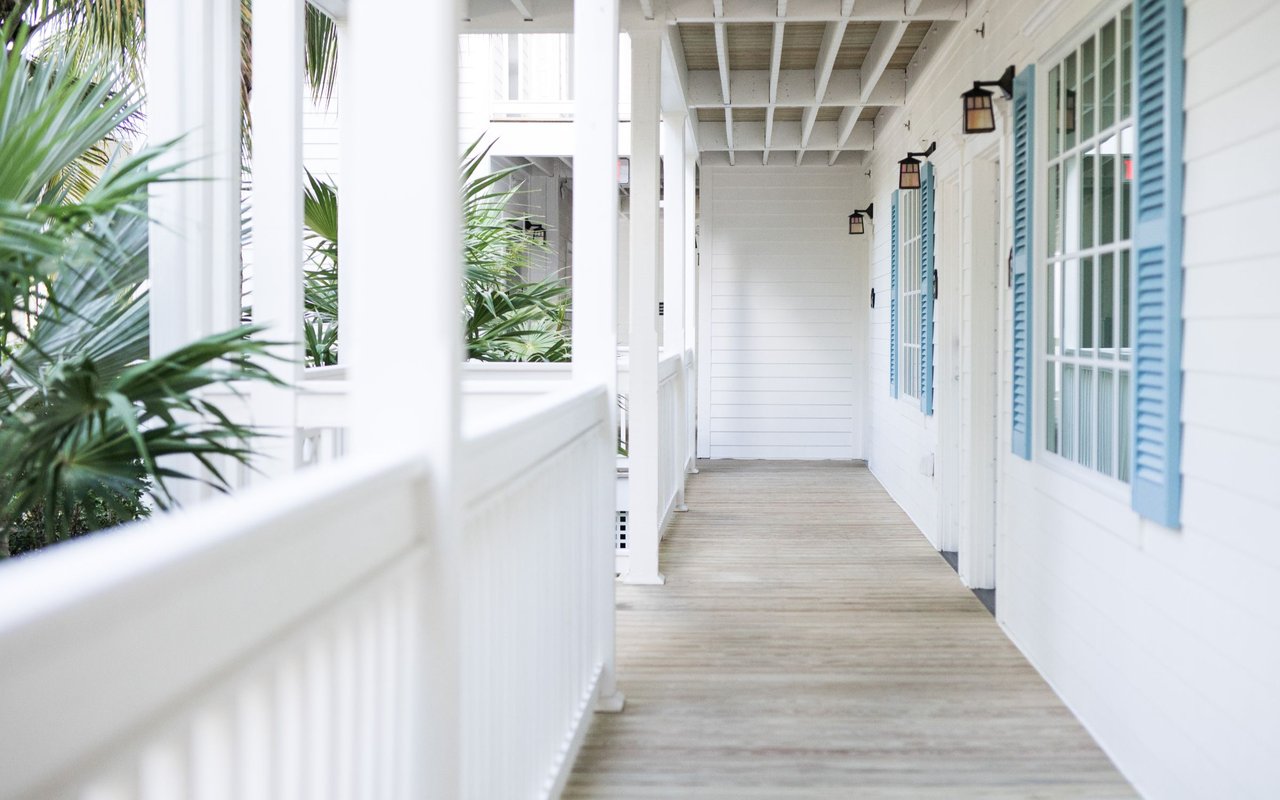
East-side housing includes several older districts with distinct architectural character. The city’s historic preservation resources identify areas such as Nassau Park, the Marina Historic District, and Del-Ida Park, with building styles and development periods ranging from the 1920s through the 1940s. These areas reflect a mix of older single-family homes and smaller-scale multifamily buildings, based on the city’s historic district information.
For you as a buyer, that can mean more variation from block to block. Depending on the location, you may find homes with historic character, compact lots, multifamily options, or properties close to downtown activity.
Downtown-to-beach living patterns
East Delray is closely tied to Atlantic Avenue and the shoreline. The city notes that its downtown shuttle covers most locations east of I-95 to A1A, and Delray Municipal Beach sits at the east end of Atlantic Avenue. That beach spans 1.5 miles and currently carries Blue Flag recognition.
If you picture yourself walking or biking to dining, shopping, or the waterfront, East Delray may feel more intuitive. At the same time, homes closer to downtown often require more thought around parking, guest access, and how often you plan to drive versus walk.
West Delray Housing Overview
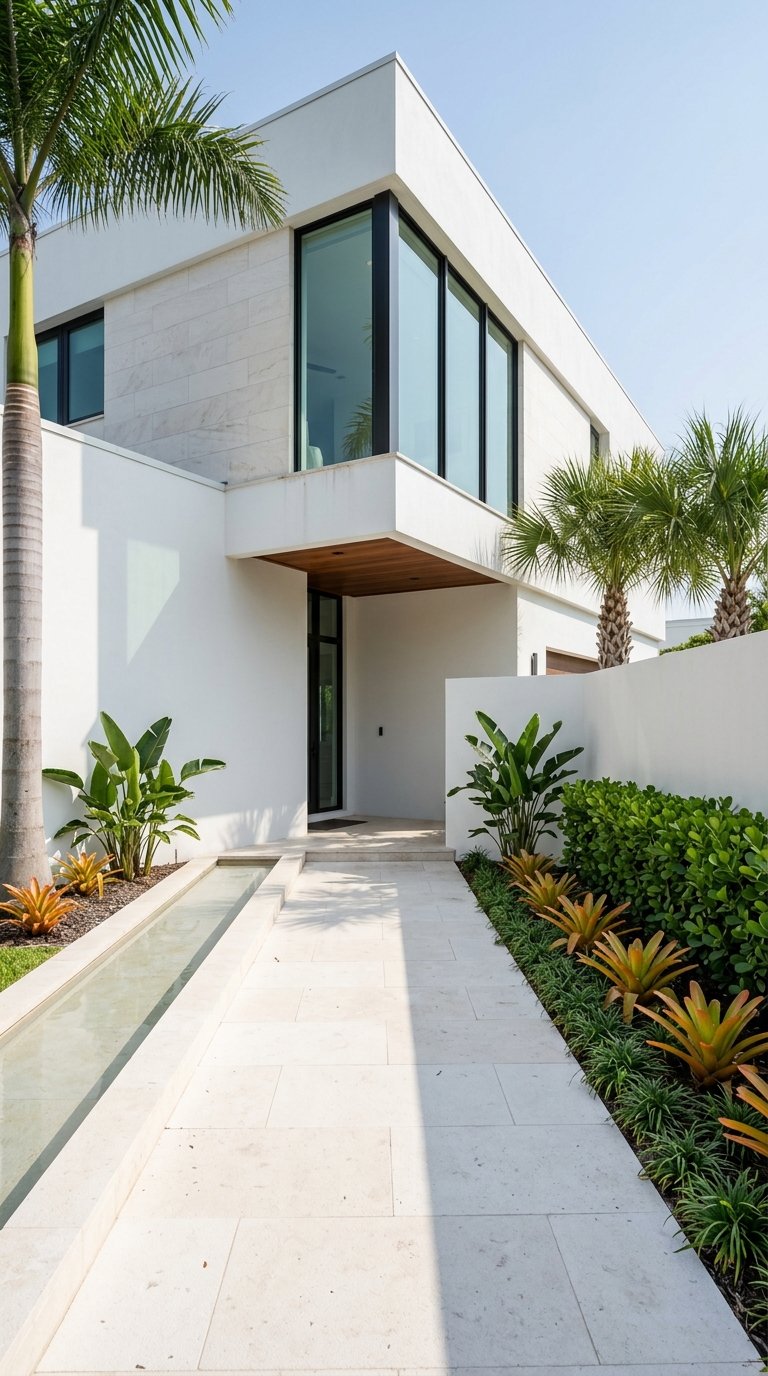
West Delray generally follows a more planned-subdivision pattern. The city’s Housing Element says that vacant land west of I-95 designated for low-density residential should remain single-family detached housing or low-density planned unit residential development. It also notes that medium-density areas can include attached and detached single-family homes and multifamily housing with neighborhood amenities, as outlined in the city’s Housing Element.
That points to a housing mix that often feels more organized around residential communities and roadway corridors. In practical terms, West Delray may appeal to buyers who value a stronger detached-home orientation or want a neighborhood layout built around planned amenities.
Detached homes and planned communities
West-of-I-95 housing is more closely associated with common open spaces and recreational amenities in residential areas. City planning documents emphasize preserving and enhancing these neighborhoods while improving connectivity and access to daily needs. You can see that focus in the city’s west-side planning documents.
For many buyers, that means West Delray can offer a different rhythm than the east side. Your home environment may feel less tied to downtown foot traffic and more tied to internal community design, road access, and private or shared neighborhood features.
A more car-oriented layout
The city’s mobility planning describes west-of-I-95 neighborhoods as having a collector-arterial network with wider streets and fewer interconnected local streets. That setup creates longer travel distances and a more car-oriented environment than the east side. The city details that pattern in its mobility planning materials.
If your routine already centers on driving, this may not feel like a drawback. But if daily walkability is high on your list, the west side usually functions differently from East Delray.
East vs West Daily Lifestyle
Once you narrow your search, lifestyle often becomes the deciding factor. The biggest difference is usually not price or appearance alone, but how each side supports your everyday movement.
East Delray favors walkability
East Delray is the side most directly connected to beach and downtown routines. The city also offers Freebee service and downtown trolley information, which reinforces how much the area is designed around local circulation near the core.
That can be a major advantage if you want easy access to Atlantic Avenue, beach time, and a more active street network. It can also make details like resident parking, guest parking, and building garage access more important in your home search.
West Delray favors driving convenience
West Delray’s daily routine is more likely to involve driving for errands, dining, and recreation. The city also notes that public open space west of I-95 is comparatively limited, which is why stronger recreation connectivity remains a planning priority.
That said, west-side residents still have access to city recreation, including the Delray Beach Golf Club. If you prefer a home base that feels more residential and less tied to downtown activity, West Delray may line up better with your habits.
Key Questions to Ask Yourself
Before you choose between East and West Delray Beach, ask yourself a few practical questions:
- Do you want to be closer to Atlantic Avenue and the beach?
- How important is walkability in your daily routine?
- Would you rather have a denser street grid or a more corridor-based layout?
- Do you prefer older housing character or a more planned residential setting?
- How much will parking, guest access, or garage space matter to you?
- Are you comfortable relying more on a car for everyday trips?
Your answers can quickly clarify which side deserves more attention.
Which Side Fits Your Goals?
If you value a mixed-use environment, a gridded street pattern, and easier access to downtown and the beach, East Delray may be the better fit. If you prefer a more planned residential pattern, a stronger detached-home presence, and a lifestyle built more around driving, West Delray may feel more natural.
Neither side is one-size-fits-all. The right choice depends on whether you are prioritizing proximity and walkability or space and a more neighborhood-centered layout.
As a boutique brokerage rooted in Downtown Delray Beach, Vlasek Real Estate Group helps you compare neighborhoods with a clear, local perspective and a high-touch approach tailored to your goals.
FAQs
What is the main difference between East and West Delray Beach housing?
- East Delray generally offers a more mixed housing environment tied to downtown and the beach, while West Delray more often reflects planned residential areas with a stronger detached-home pattern.
Is East Delray Beach more walkable than West Delray Beach?
- Yes. The city’s mobility plan says east-of-I-95 neighborhoods have a denser, more connected street grid with sidewalks on both sides, which supports walking and biking more than west-side street patterns.
Does West Delray Beach have more single-family housing?
- City housing documents indicate that low-density residential land west of I-95 should remain single-family detached housing or low-density planned unit residential development, with some medium-density areas allowing broader housing types.
Why does parking matter more in East Delray Beach?
- East Delray is more closely connected to downtown and beach activity, so parking, guest access, and whether a property includes resident parking can play a bigger role in daily convenience.
Is West Delray Beach better for buyers who drive often?
- For many buyers, yes. The city describes west-of-I-95 neighborhoods as more car-oriented because of wider roads, fewer local street connections, and longer travel distances.
Are there historic housing areas in East Delray Beach?
- Yes. The city identifies east-side historic districts such as Nassau Park, the Marina Historic District, and Del-Ida Park, which reflect older development patterns and varied architectural character.